
Human Body needs Red Blood Cells (RBCs) to Carry oxygen from lung to all the cells for tissue vitality.
The main active part in RBCs is the Haemoglobin which needs Iron (Fe) essentially for its formation.
Iron deficiency anemia is a common type of anemia — a condition in which blood lacks adequate healthy red blood cells due to insufficient Iron.
As a result, iron deficiency anemia may leave you tired and short of breath.
Person can usually correct iron deficiency anemia with iron supplementation.
Sometimes additional tests or treatments for iron deficiency anemia are necessary, especially if your doctor suspects that you're bleeding internally.
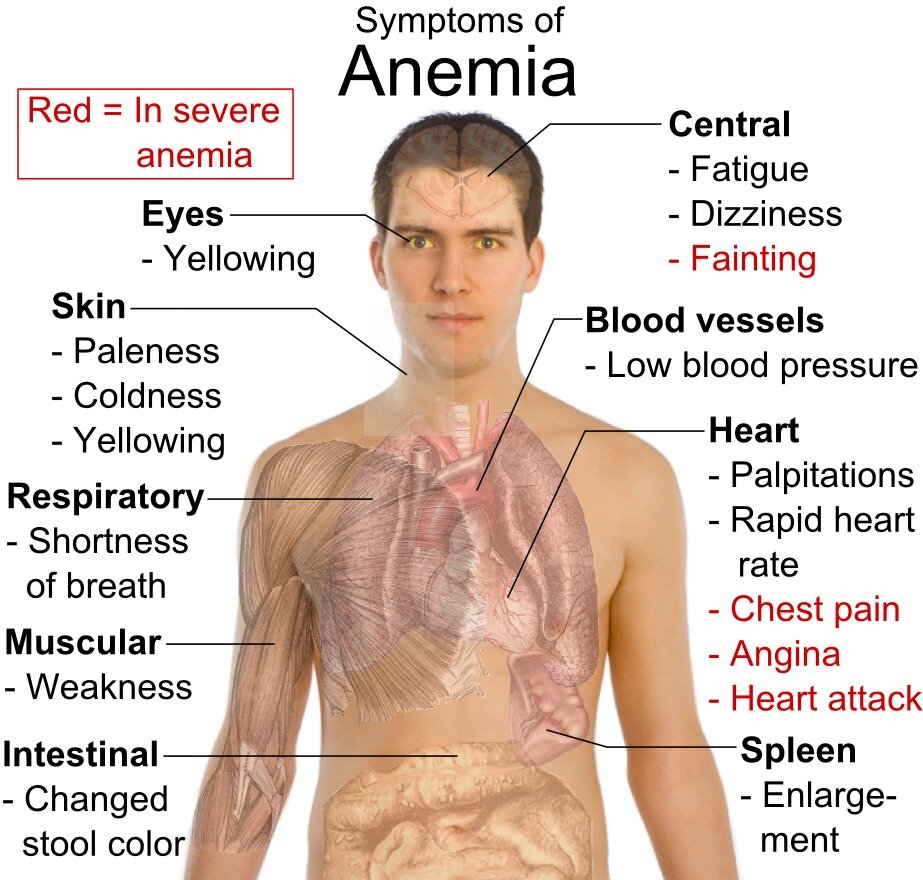
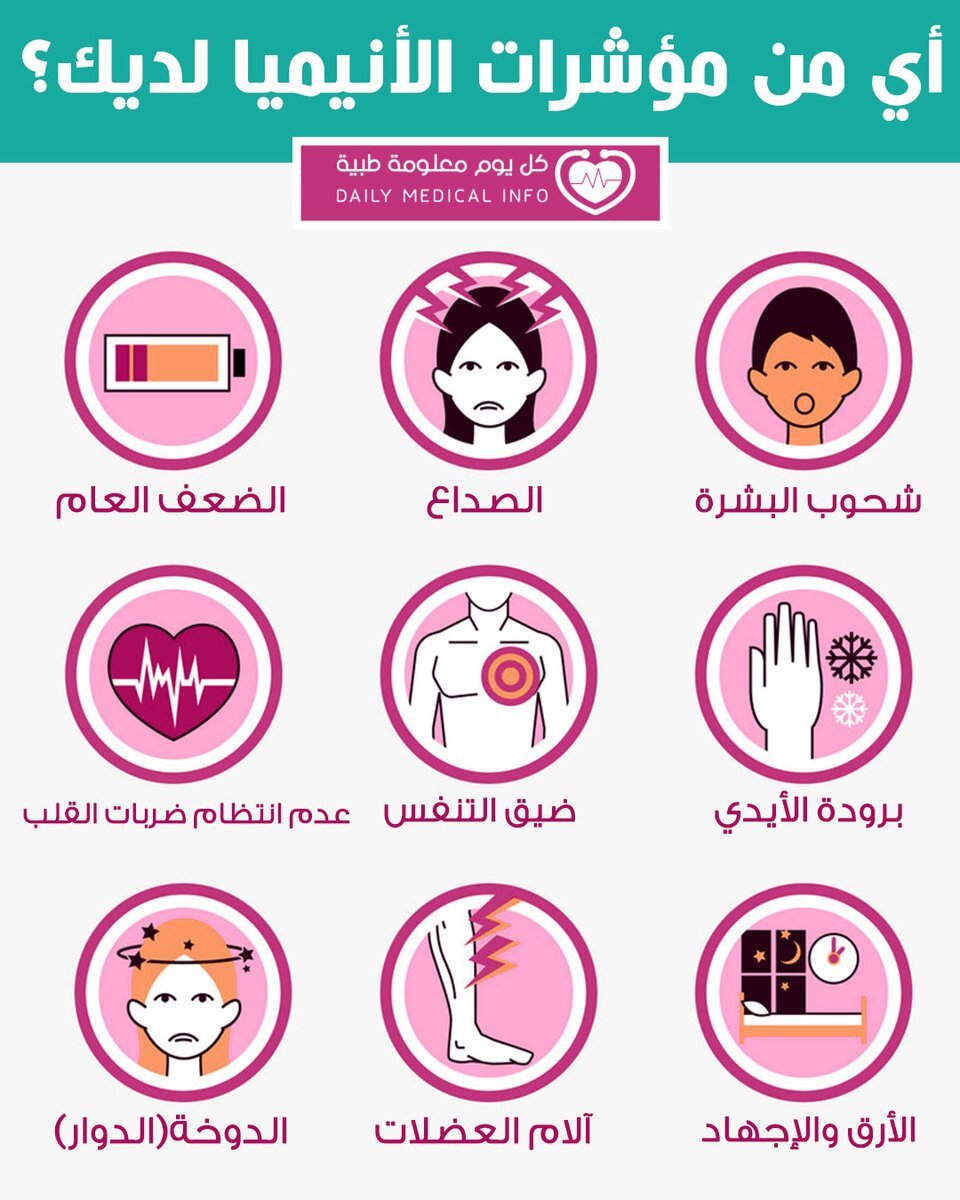
Without neither periodic check nor complete blood count testing, Mild cases of Iron deficiency anemia goes unnoticed, But as the body becomes more deficient in iron and anemia worsens, the signs and symptoms will start to be recognized, Iron deficiency anemia signs and symptoms may include:
Iron deficiency anemia occurs when your body doesn't have enough iron to produce hemoglobin.
If you aren't consuming enough iron, or if you're losing too much iron, your body can't produce enough hemoglobin, and iron deficiency anemia will eventually develop, Causes of iron deficiency anemia include:
Blood contains iron within red blood cells, So if you lose blood, you lose some iron.
Iron from food is absorbed into your bloodstream through the small intestine, Iron needs transferrin to be absorbed, Lactoferrin has the ability to transfer iron inside the intestine 3 times more than other transferrins, Iron malabsorption may be caused by:
These groups of people may have an increased risk of iron deficiency anemia:
Because women lose blood during menstruation, women in general are at greater risk of iron deficiency anemia.
Infants especially those who were low birth weight or born prematurely, who do not get enough iron from breast milk or formula may be at risk of iron deficiency, Children need extra iron during growth spurts so if your child is not eating a healthy, he may be at risk of anemia.
People who don't eat meat may have a greater risk of iron deficiency anemia if they don't eat other iron-rich foods.
People who routinely donate blood may have an increased risk of iron deficiency anemia since blood donation can deplete iron stores, so If you're told that you can't donate blood because of low hemoglobin, ask your doctor whether you should be concerned or no.
Untreated iron deficiency anemia can become severe and lead to health problems, including the following:
Iron deficiency anemia may lead to a rapid or irregular heartbeat.
In pregnant women, severe iron deficiency anemia has been linked to premature births and low birth weight babies.
In infants and children, severe iron deficiency can lead to anemia as well as delayed growth and development, With an increased susceptibility to infections.
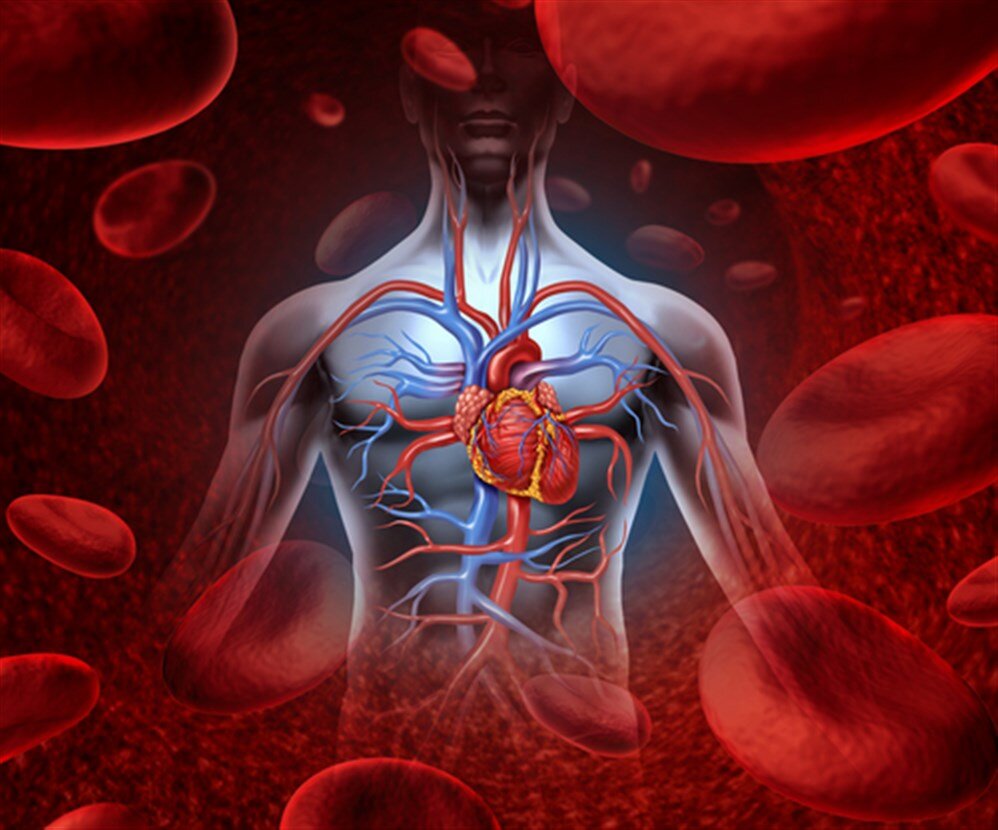
You can reduce your risk of iron deficiency anemia by choosing iron-rich foods.
Foods rich in iron include
Your body absorbs more iron from meat than it does from other sources.
You can enhance your body's absorption of iron by drinking citrus juices or eating other foods rich in vitamin C at the same time that you eat high-iron foods, Vitamin C in citrus juices, such as orange juice, helps your body to better absorb dietary iron, Vitamin C is also found in:
The most preferred dietary supplements that supports treatment or prevention of Iron deficiency anemia are those containing:
Famferrin & Vavra Iron provide your body with the iron and vitamins necessary to prevent anemia.
Do not hesitate to contact us, our team is happy to serve you